
Hello sports fans. Welcome back to another edition of What’s Shaping Sports, where I look at how the fans experience is shaped, how sport is marketed and the larger shifts that impact it.
This week the new NFL season kick-off activity begins rolling out, a new basketball league goes from strength to strength while another is causing contention with players, and I wonder how sport is treating the fans that make sport what it is.
WHAT’S SHAPING SPORTS?: THE LEAD
Are working class football fans being discarded by clubs for newer fans attracted to the atmosphere those fans created?
We’re a long way from football grounds being mostly full of fans who grew up in the local area the team resides. As the sport has grown into a monster of a commercial powerhouse screened to every corner of the world, we’re seeing a shift in who clubs want to attract through the turnstiles.
Price increases, reducing concessions for kids & seniors, stricter controls on who season ticket holders can share their seat with when absent and a rise in premium hospitality options all points to maximising as much revenue per seat as possible. Appealing to a class of wealth that can readily afford those prices as well as people making one-off pilgrimages who will spend more on the day are becoming sought after by clubs, which is marginalising people who created the atmosphere and cultural value clubs readily sell to the world.
New research from Democracia84, shows how the cost of football has increased by 47% between 2015-2025 and the gap between what football costs and what fans can afford has widened to 42%.
The Athletic reports that 14 of the 20 EPL clubs have raised the cost of season tickets and some higher than the rate of inflation. 8 clubs are selling some season tickets for over £1,000. They also show while match day revenue is important, it makes up such a small amount of overall revenue.
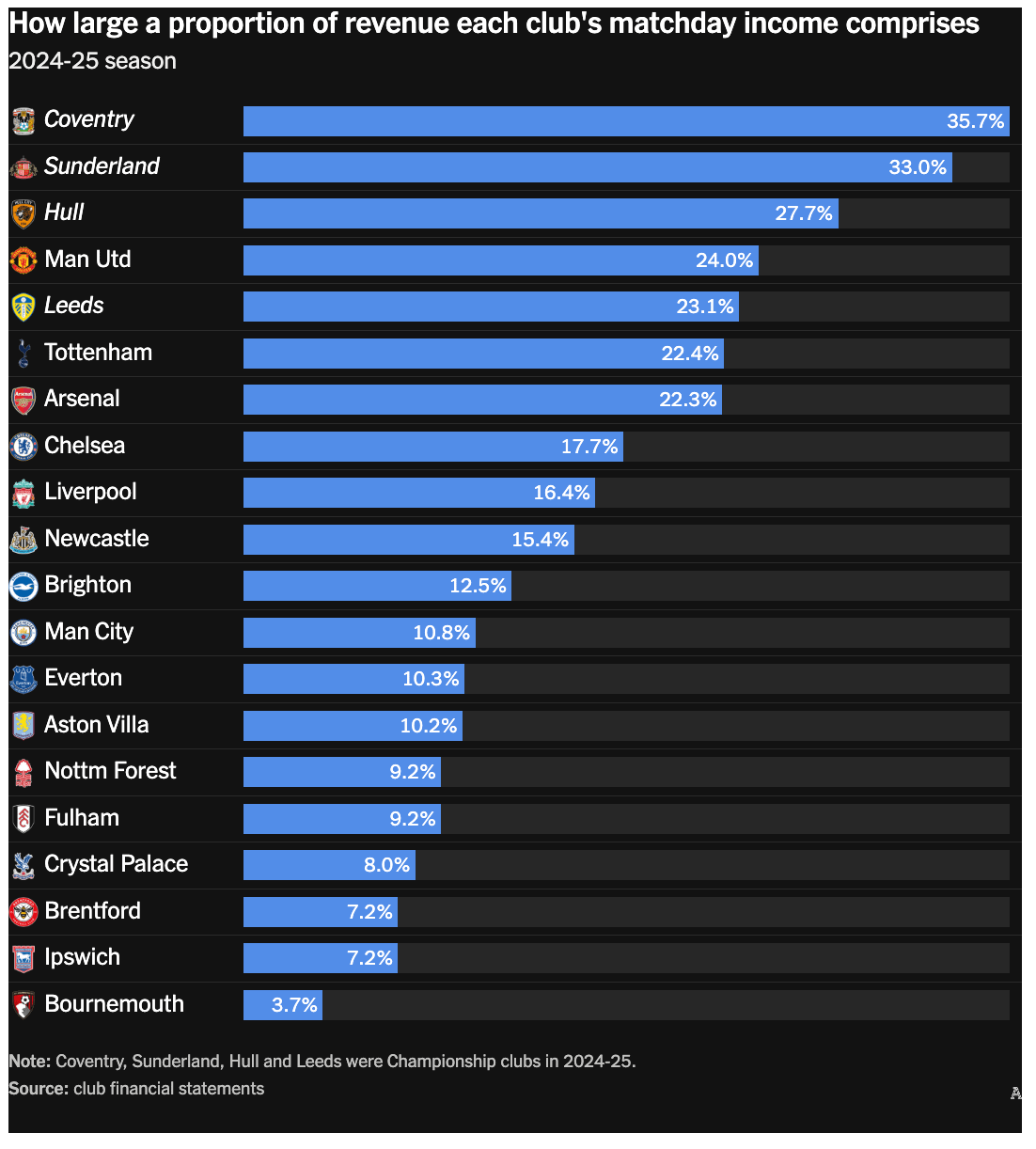
EPL clubs receive around £90m per season from international and domestic broadcast revenue, before additional money from where they finish and commercial revenue generated from sponsorship, so ticket prices don’t need to rise as much as they do, it’s a choice clubs make. It’s a choice that is hitting working class fans the hardest. The fans who have predominantly been the ones at the heart of a clubs support base and responsible for the atmosphere. An atmosphere that has helped generate those broadcast billions.
The impact of the increase in costs to watch football isn’t just stopping fans from going to games, it has an impact on people’s sense of belonging. Being part of something fuels people across passion and interests, it shapes identity and creates bonding connections. Sport is a great unifier in people’s shared interests and passions but the changes in football over the last decade in price rises and aggressive commercial goals are making it feel unifying at a higher price of entry.
Another impact of this marginalisation is the impact on growing the next generation of the game. If families are priced out, kids don’t get to experience what live attendance does to ones relationship with the game and their team. If costs are stopping older kids and young adults from going, where is the next set of fans coming from? It always amazes me that clubs, leagues and sponsors in football talk about the need to appeal to Gen-Z and now Gen-Alpha and the challenge it is, yet apart from making sweeping generalisations over a generation, seem to ignore the most obvious way to appeal to them is by making access to attendance easier and more affordable.
Football clubs are not like normal businesses or brands. People don’t have the same religious like devotion to a fashion brand or retailer as they do towards a football club. They’re a focal point of a city and town whose success can often be a reflection of those cities and towns and how they’re seen beyond them.
With football looking to generate and squeeze as much revenue as possible out of it, business and brand like language is now common whenever you hear the non-playing side speak. These are commercial powerhouses now capable of generating vast amounts of money, selling the passion and pride of fans across club media, sponsor content and ticket advertising. Add the league’s broadcasters and sponsors into the mix and you have powerful entities selling a culture and atmosphere created by fans, who are increasingly being priced out.
ALSO CATCHING THE EYE…
The habits, rituals and forces that shape the fans experience.
The US Open ticket prices have been dominating conversation as fans share frustration over increasing prices and unaffordable resell tickets. New York City Mayor Zohran Mamdani has announced a plan to offer 1,000 tickets to New York City residents for $100. The Open has become even more popular as tennis grows in cultural popularity, it’s been dubbed the new fashion week and while subsidised tickets help to a degree, the organisers have a challenge to manage the sentiment and goodwill of fans who have shown up year-in-year out and now find themselves on the outside looking in.
The global sports tourism market is expected to grow from $721.6bn in 2026 to nearly $958bn by 2031, as the demand for live events, premium hospitality and sports led destinations grows. It’s not just premium sports events like F1, you can watch a Bundesliga game and have a weekend away in Germany for not much more than a day out at a Premier League game now which makes it an attractive choice. As highlighted in the lead story, the Premier League is looking to tourism as a big revenue stream with people making bucket list trips to their favourite teams. An increase in travel packages and VIP experiences is catering to an audience I’d call “sports experience seekers”.
The trends, opportunities and innovations in how sports are marketed
Callaway has now dropped Good Good Golf as the fallout continues from the pair’s driver ad, which has seen both brands accused of making light of violence against women. “Do not touch my new driver,” Good Good co-founder Garrett Clark said to his colleague Alexis Miestowski, after barging her to the ground. The apology tour has begun and is going as badly as expected. It always makes me wonder how these things get approved. Brands churn out loads of content with their partners these days but an overload of content isn’t an excuse, when multiple stakeholders will be involved in reviewing, providing feedback and approving what goes out.
The Premier League’s popularity in the US is already large and will benefit from the World Cup, so the league staged its first ever Coast to Coast programme on the opening weekend. All 20 clubs hosted their own free fan event across 15 US cities from Arsenal in Denver at McGregor Square, to Sunderland in Nashville at the Fogg Street Lawn Club. The fan events and watch parties took place around each sides opening fixture and were supported by NBC, Peacock and USA Sports.
The US Open is close to doubling it’s credentials for content creators with almost 100 approved as the tournament’s ascent into wider culture continues. A number of them will be working exclusively for the Open itself to bring content from courtside and exclusive areas.
The changes and forces shaping how sports evolve
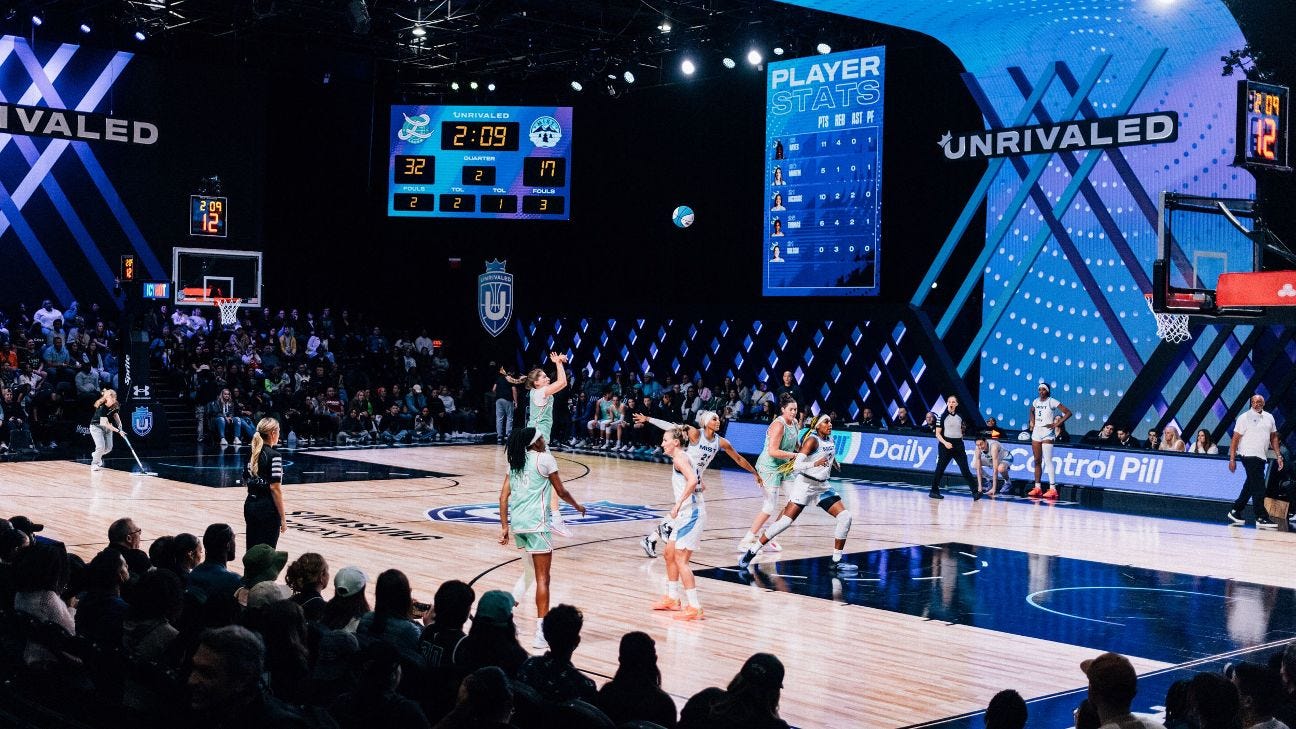
Unrivaled, the 3-on-3 women’s basketball league, founded by Napheesa Collier and Breanna Stewart, has raised funds that put its valuation at $650 million. To put the valuation into perspective, it’s higher than all the WNBA teams bar the Golden State Valkyries. Unrivaled was born with a vision to empower athletes as genuine stakeholders whose voices and ownership shape the league’s direction. The value of the player-equity pool will now increase to nearly $200 million after this Series C funding. The third season of the league will again take place in Miami, with an increase in tour stops across the states when it begins in January and will have competition from Project B, a rival format league that will launch that month.
NBA players have an issue with NBA Europe and where the money goes. The new NBA Players Association executive director David Kelly told Front Office Sports, that “It’s clearly being built on the backs of current NBA players, and prior NBA players, on the whole cachet that they brought to this league. And then to start a rival league that they do not participate in, participate in the economics of, we have a very serious problem with that”. Under the current CBA, the NBA does not need to share revenue from the proposed league, but the union has indicated it wants to change that in the next deal. A lot of the conversation around NBA Europe makes it sounds like the league has already been created, but we still seem a long way from that coming to fruition despite the aim of starting in 2027. There are currently no confirmed teams, just news of potential franchise bidders, while the continuing politics between the NBA and EuroLeague need to find common ground.
The PGA Tour has announced a new World Cup style format to close out the competitive season, starting in 2028. The new format was developed by a group led by Tiger Woods and will be the longest format of the game, spread over two weeks and different courses. The top 32 players on the PGA Tour’s season-long points list will be split into eight groups of four, before a knock-out stage to crown the winner.
SPORTS MARKETING WEEKLY SHOWCASE
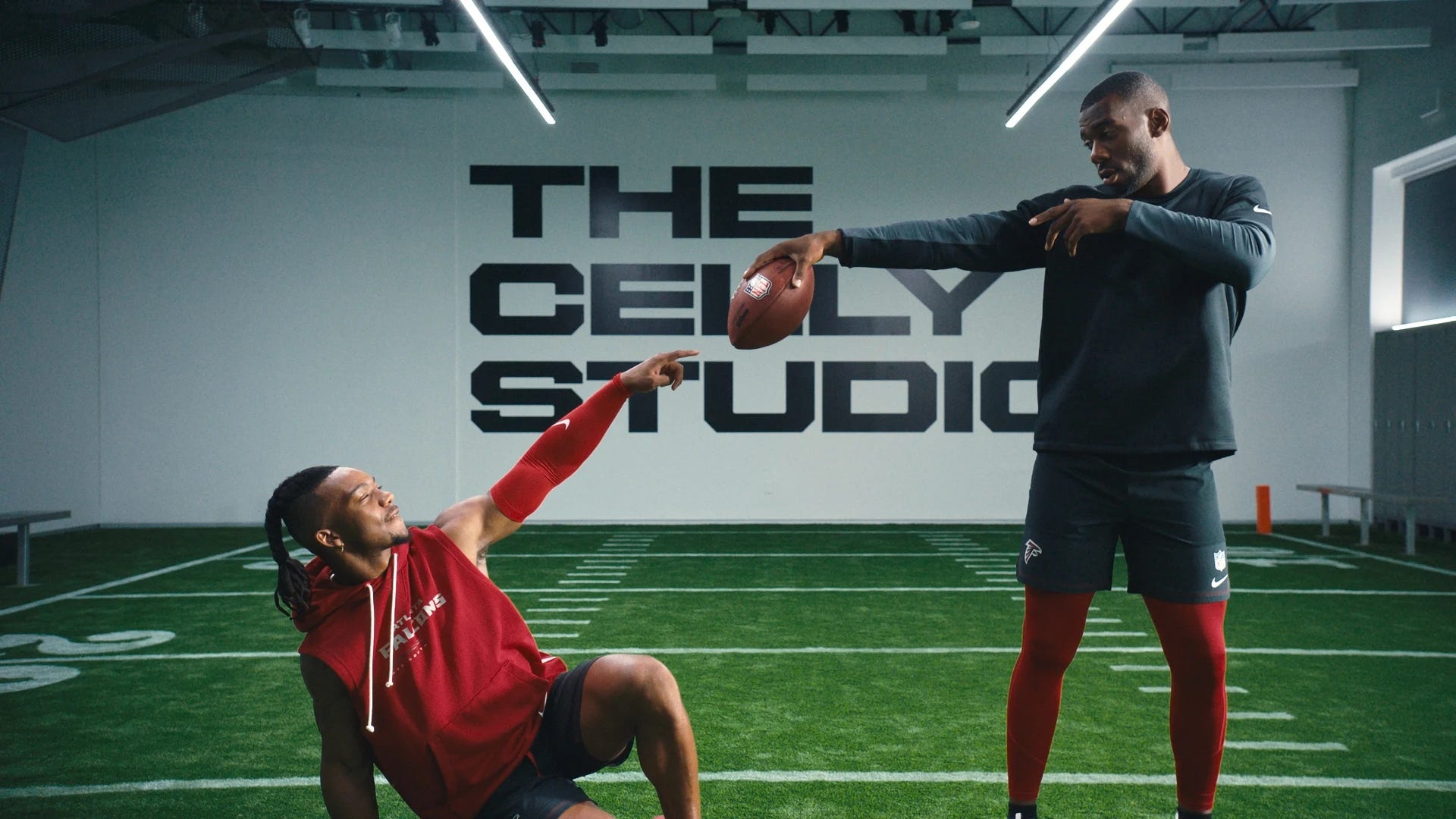
The NFL is about to return and as part of the new season launch activity we have two films that look on the lighter side of the game. The Season is your Stage from 72andSunny sees a range of NFL players, including Cam Bynum and Nico Collins, in the ‘celly’ studio practicing their celebration routines for the season. The signature celebration dances from players will also be available on Roblox for fans to earn and can be performed by themselves while personalising their avatars. While in the second launch film, Cole Bennett directs this humorous take on rivalry with chaos ensuring at a senior center home amongst the people who can’t put their rivalries aside.
State Farm have Jake as a recognisable main character to its campaigns built up over time and featuring across their various sports partnerships with the athletes. For the NFL kick-off he features in 4 new films to highlight their Personal Price Plan® and why Every Fan’s Game is Personal, with Patrick Mahomes, Fernando Mendoza, Cam Skattebo, Andy Reid and Curt Cignetti as his foil.
This Nike Running video for Masai Russell breaking the 100m hurdles record dropped moments after it happened and goes hard, with Questlove in a record store and an appearance from Jamaican sprint legend Shelly-Ann Fraser-Pryce.
After their near relegation two season in a row, Tottenham Hotspur couldn’t really come out with a hypey new season is here energy video. So someone read the room and got Blind Faith to turn the camera away from the stadium and spectacle onto the fans in this lovely film narrated by actor Himesh Patel called ‘Tottenham til i die’.
Michael Olise has something about him where he just doesn’t want to conform to what people expect from how a footballer should carry themselves. It’s refreshing. He’s nonchalant when it comes to the plaudits and taking part in team celebrations and marketing activity. So naturally here is a stylish video that has Nike ‘freestyle’ energy about it, but is not from any brand partner, simply Michael himself. Love it.
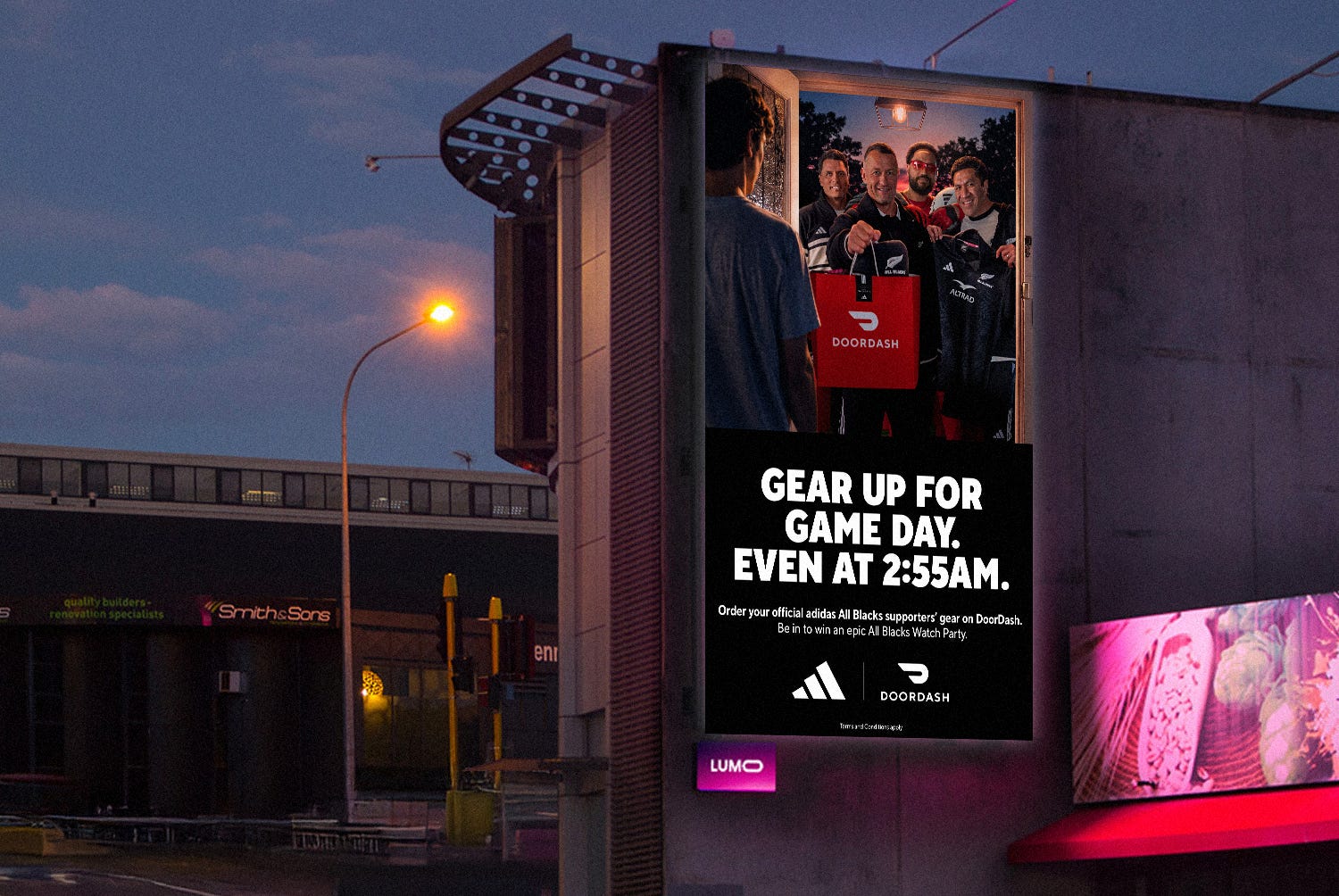
Fandom at all hours. Sponsors are getting better at recognising not all fans are watching sport in the game’s origin timezone, or at times where due to international series or tournaments means early starts or late nights. These two campaigns from Door Dash and Barclays recognise that fan commitment no matter the time of game. Door Dash in New Zealand is on hand to help fans support the All Blacks for their series in South Africa, while Barclays celebrates the game day rituals and routines of fans in the US as part of their Champion of Fans platform.