


I’ve been loving the World Cup so far and trying to watch as many games as possible till my body says no more, time for bed. As I sat through multiple brand ads during the TV coverage and online pre-rolls, I couldn’t shake the disconnect in how fandom is portrayed compared to what is happening in the stadiums and streets across North America and the places and spaces around the world where tournament fandom is expressed.
It feels very surface level across a variety of adverts from global and local brands around the world cup for this year’s edition. There are some exceptions and standouts, but for the most part they stick to the default convention of fan celebration when a goal is scored and maybe, just a little moment of jeopardy before the high.
This creative execution is often the case when brands do the big campaign ads around football, but during a tournament where the world’s attention and brand bucks is focused, it’s when it really hits home how conventional, lazy and all the same it feels when every ad defaults to the mean.
There is little in the way that shows the breadth of emotions or depth of experiences fans go through and what international team fandom looks and feels like.
Fandom is broad and deep
Fandom is celebrating goals, but it’s also the anticipation leading up to the game, the moments after and until the next one. The tension, debates, rituals, superstitions, doubts, excitement, travel, optimism, planning, lows, routines, the places and spaces fandom is expressed.
Fandom is showing support for a team, but it’s also connection, tribalism, escapism, identity, bonding, a sense of place, pride, belonging and coming back for more when you should know better.
International fandom is supporting a nation, but it’s increasingly more complex and layered, with multiple teams favoured. People support where they’re from, where they grew up, where they now live or family ties are. It’s putting aside club loyalties and rivalries for a common cause.
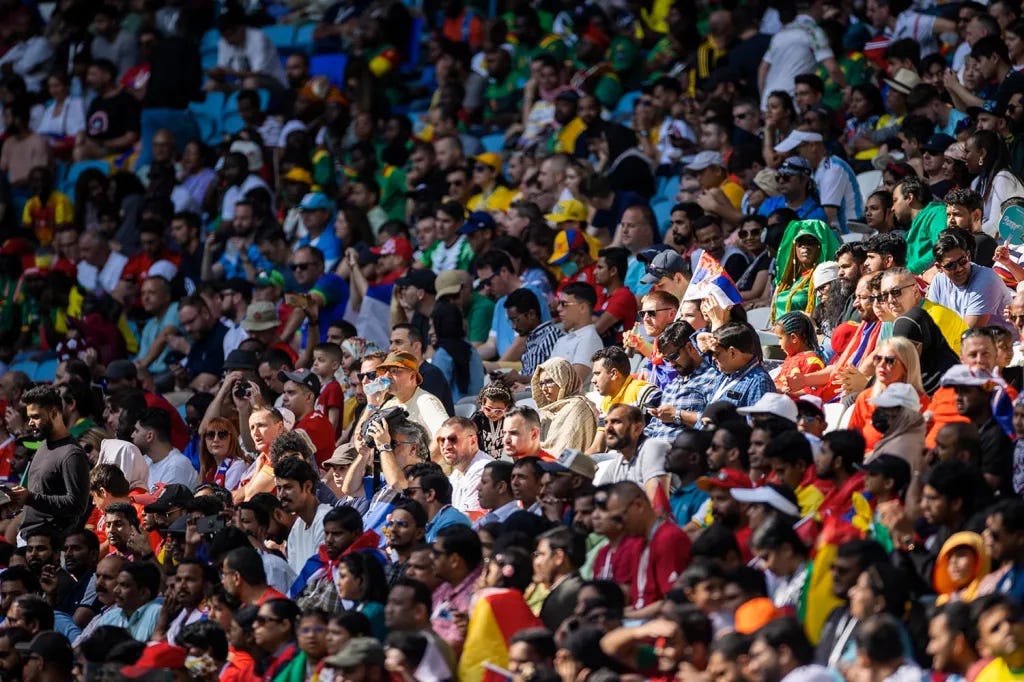
We’re barely a week into the tournament and we’re already seeing the diverse make up of fandom, the different rituals and routines, people from all walks of life coming together in unison. It actually does look like a melting pot of cultures coming together.
The brands show none of this to any great length which is a shame given the number of big global brands who are sponsoring or advertising at the biggest and most global world cup to date.
It’s not just football where fandom is broad and deep. Look at any of the major sports leagues around the world and you’ll see fandom expressed across a breadth and depth of behaviours and emotions. The names of the stadiums and places for where it’s expressed might be different, but how and why it’s expressed will look just as universally similar and layered as any sport.
The Five Boroughs to the World
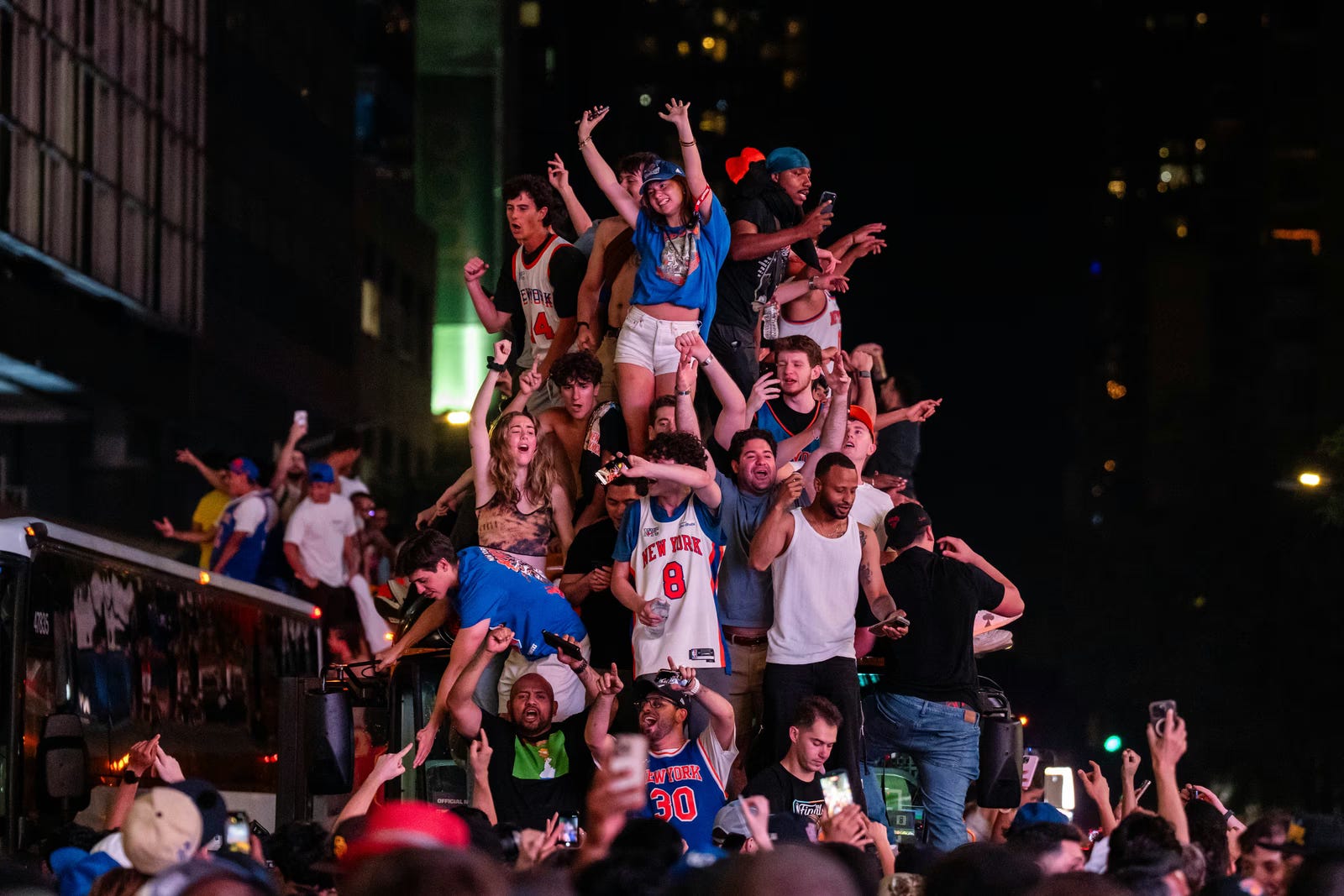
On Saturday in Texas, at the Frost Bank Center, fans of the New York Knicks had taken over the arena, just like they had done throughout the NBA play-offs to create a slice of MSG on the road. Ticket prices reached record highs and while it’s easier for a Spike Lee or Timothée Chalamet to afford those prices, there were plenty of Knicks fans that had to be there, at any cost, to witness the moment the team put a 53 year wait for a third NBA Championship behind them.
Back in New York city, across the five boroughs people, blocks and neighbourhoods came together on a night where, political views, religious beliefs and quite simply life, were put aside to support and hope one of sports most famous teams could deliver. Generations of fans had never seen the Knicks win the chip. They might have heard about the folklore from their elders, or in bar chat. For those that saw it in 1973, they may have never expected it to take as long to see it happen again.
Those that were celebrating in San Antonio, New York, across the US or around the world were united in their love for the blue and orange. They might be MSG regulars or once in a lifetimers, born and raised New Yorkers or transplants, locals that went global or have followed from countries and timezones a far. This was a moment shared even if the proximity, intensity and relationship with the Knicks varies. Fandom is expressed on different levels and layers, but it all forms part of someone’s identity and Saturday night wherever people were gathered or watching, they all felt a sense of belonging.
Multi-layered fandom
I was born in the 80s and grew up in Southampton, a port city on the South Coast of England. I didn’t support the local football team, instead following my Dad’s and his Dad’s passion for Queens Park Rangers, the closest team to where they grew up in London. During the World Cup I want England to win it. It’s those two teams above anything else.
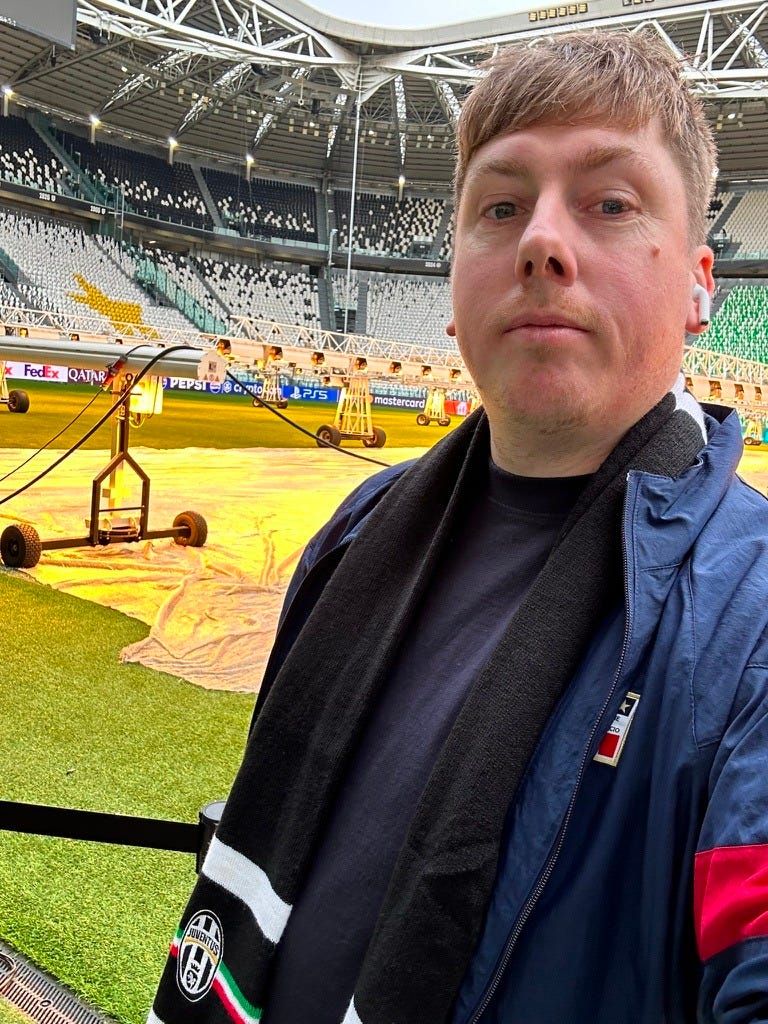
I’m also a child of the 90s and for those who grew up in a world before Sky TV was showing wall to wall football, Channel 4 brought us into a world of Italian skill and sophistication with their weekly Serie A broadcasts. Everyone had an Italian team of choice due to this. Mine was Juventus and the 12-year old in me was overjoyed when I finally paid a visit to Turin in 2024 to watch a game. When Sky started showing Spanish football, everyone at school started watching and picking a team. This was the year of Ronaldo’s incredible one season at Barcelona so I had to get his shirt on a family trip to the Catalan capital when I was 13. In March, I went to watch cult football team St.Pauli, a team I feel passionate about that does things differently on and off the pitch and whose left leaning views and outlook on life reflects my own. I might not support the local football team where I was born, but I express local pride for and support my county’s cricket team, Hampshire. Most mornings during the NBA season you’ll find me watching the previous night’s Orlando Magic game and making pilgrimages to Florida for games.
Back to the World Cup. National-team loyalty is no longer simple. Fans support where they were born, where they live, where they grew up and where their families come from to create layered, multi-team identities. Across the USA, Canada and Mexico, 74% of fans support more than one nation, 12% above the global average. The most football-passionate demographic in the USA will be Hispanic-Americans.
These are the realities of modern sports fandom. The beauty is in the complexity, the messiness, the contradiction and all the ebbs and flows.
Loads of brands say that they’re for the fans and part of sports culture, but this has to mean more than just defaulting to fan celebration conventions. Sticking to the surface level may give the impression of reflecting fandom, but it misses the opportunities to show a realness that fans know, see and live.
The opportunity
When it comes to sport, we’re not selling brands and products to rational people. We’re trying to sell brands and products to people who are deeply emotional and passionate about the team(s) they support.
The brands that go further are the ones who grasp the differences between a New York Knicks fan in the Bronx and Berlin, as well as the unifying characteristics. They’re the ones who show up all year round in the moments in between, not just the tentpole. They’re the ones who understand a fan may support the country their family was from first, not where they were born or currently live.
Sport delivers reach, but the old way is thinking reach will equal success. Credibility needs to be earned to create meaningful opportunities to sell to fans. Fandom is now so vast and complex, you have to understand the differences and unifying factors across the various sets of fans and create work that resonates with all. There’s richness in the unifying characteristics of fans beyond goals celebrations. There’s even more richness the deeper you go when figuring out what appeals to the different relationships fans have with their teams. It requires a multi-layered approach. That’s the new way to think.
When we stick to surface level convention, we may be seen to be ticking the right boxes, but to really matter to fans, it requires a deeper understanding and a willingness to embrace the complexities of fandom.
My goal at Vivrant is to continue to highlight, explore and show the breadth and depth of that complexity and the beauty that lies in sports fandom.