


The gap between the regular season and the start of the World Cup seems to be getting shorter and shorter, so it can feel like the World Cup has suddenly crept up on us but for the brands that are activating during the tournament, years and months of planning are now starting to come to life.

Over the last few weeks plenty of brands have been rolling out their big World Cup creative and campaigns. There’s been a lot of David Beckham, the classic adidas vs Nike talk on LinkedIn, plus the usual mix of football inspiration and achievement cliches covered.
Next Friday, I’ll be publishing a deep dive into the World Cup work that has been rolled out so far, which will be the first of my weekly sports marketing creative work round-ups. Each Friday we’ll look at the content, campaigns and activations that have caught our eye so if you haven’t subscribed yet, please do.
For today’s article, I wanted to take a look at the narratives, moments & things to watch that will come to life at the World Cup and from a marketing perspective, it might give an indication to how brands show up, while it might also offer some last minute content ideas.
Let’s address the elephant in the room straight from kick-off…
We can’t just stick to football
It’s too naive to think football and politics can live separately anymore and this World Cup is going to make it harder to escape from. Due to the USA-Iran conflict, we have one nation being bombed by a host, whose president was given the dubious FIFA peace prize. Add in the travesty that is the terror ICE have been causing people and how a number of teams that have qualified will struggle to have support from their fans as they’re on banned lists, it’s going to make for a controversial and uncomfortable backdrop. There was an unease over the Russia and Qatar World Cups that soon went away once the football started, but it doesn’t feel like that’s going to be the case this time.
Host cities become cultural stages
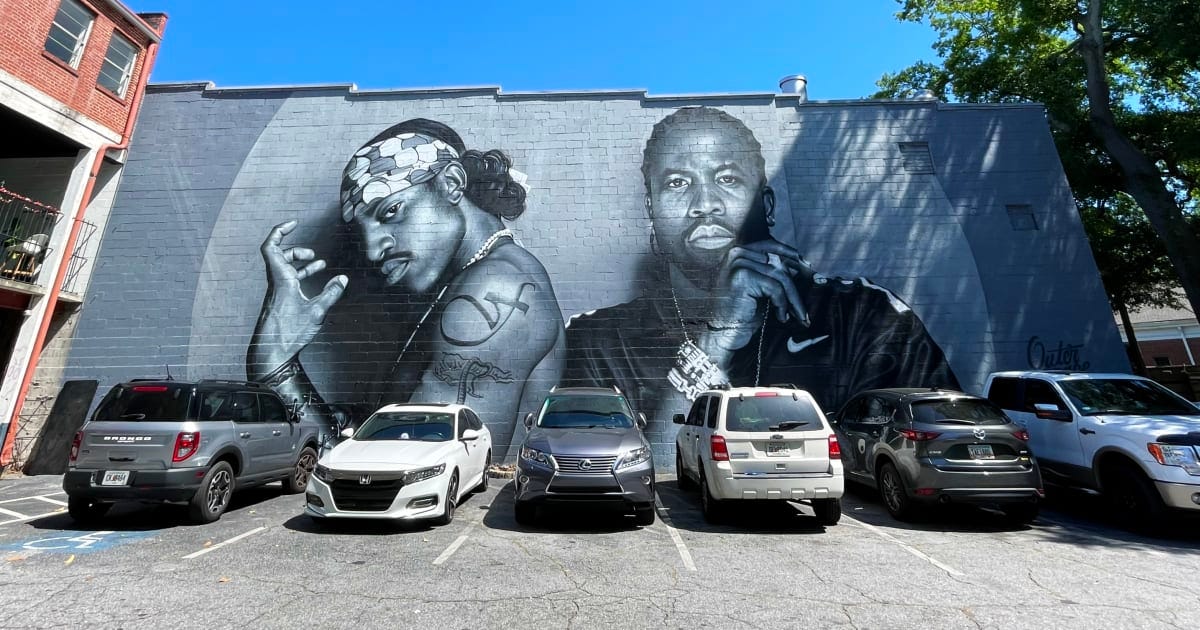
The 2026 FIFA World Cup will be defined not just by what happens on the pitch, but by its 16 host cities across the United States, Canada and Mexico. Each location shapes how fans experience the tournament and the diversity of the host cities each offer a distinct identity: from Atlanta’s hip-hop scene to Guadalajara’s tequila and mariachi heritage, Kansas City’s bbq culture to Toronto’s multicultural energy. I’m hoping we’ll see plenty of brands on the ground combine the football with the host city’s cultural offering for fans, as the tournament becomes a series of localised cultural moments, where the experience extends far beyond the stadium into food, music, nightlife and neighbourhood life.
Expensive ticket prices, who is football for?
Going to watch sport in person is increasingly becoming a luxury, as ticket costs continue to spiral out of control. The way FIFA have priced and run the ticket buying process for this World Cup and excuses to try to justify it is a further indictment of their greed, but also narrows the net of who actually gets to watch football. USA has yet to sell out its opening game against Paraguay. Could we see empty seats or less atmosphere as the real fans that create it are priced out for a more corporate hospitality type of fan more focused on selfies and champagne? Plenty of tickets are still available so can brands step in here to buy them on behalf of fans and ensure the tournament is for everyone?
Layered Fandom
National-team loyalty is no longer simple. Fans support where they were born, where they live, and where their families come from to create layered, multi-team identities. Across the USA, Canada and Mexico, 74% of fans support more than one nation, 12% above the global average. The most football-passionate demographic in the USA will be Hispanic-Americans. This is one of the many interest facets of fandom and is a story that should be told more frequently and widely.
Hydration breaks: player welfare dressed up as a revenue grab?
FIFA have mandated hydration breaks at 22 minutes in each half at every game to protect the players from the heat. The announcement was made at a World Cup broadcasters forum, where FIFA announced commercial broadcasters could sell advertising within this 3 minute break. This will change the viewing experience as a load of ads breaks the play, but something going under the radar is how this impacts the game, when we’re essentially now playing football across 4 quarters, like in the NBA or NFL. This has the potential to kill one team’s momentum in games, while also offering new tactical opportunities for coaches as if it was a time out.
American Sports Crossover
Football’s influence now extends into elite US sports, where athletes are actively engaging with and drawing inspiration from the game. From the NBA to the NFL, football has become a shared cultural reference point shaping playing style, identity and fandom. Players like Lebron James, Kevin Durant and Giannis Antetokounmpo have invested in clubs, while Joel Embiid and Victor Wembanyama have spoken about its influence on their play. The NBA finals are on as the tournament starts so the overlap will become more visible than ever.
All the football, all the time
Can you have too much football? This tournament might push that theory to the limit. By adding 16 more teams we’ll see the number of games increase by 62% to 104. It used to take 64 games to crown a World Champion, now it will take 72 games for the group stage to eliminate 16. To win the World Cup you’ll now need to play 8 games, as there is an additional round of 32 that needs to be won.
Expanded tournament means discoveries and new stars
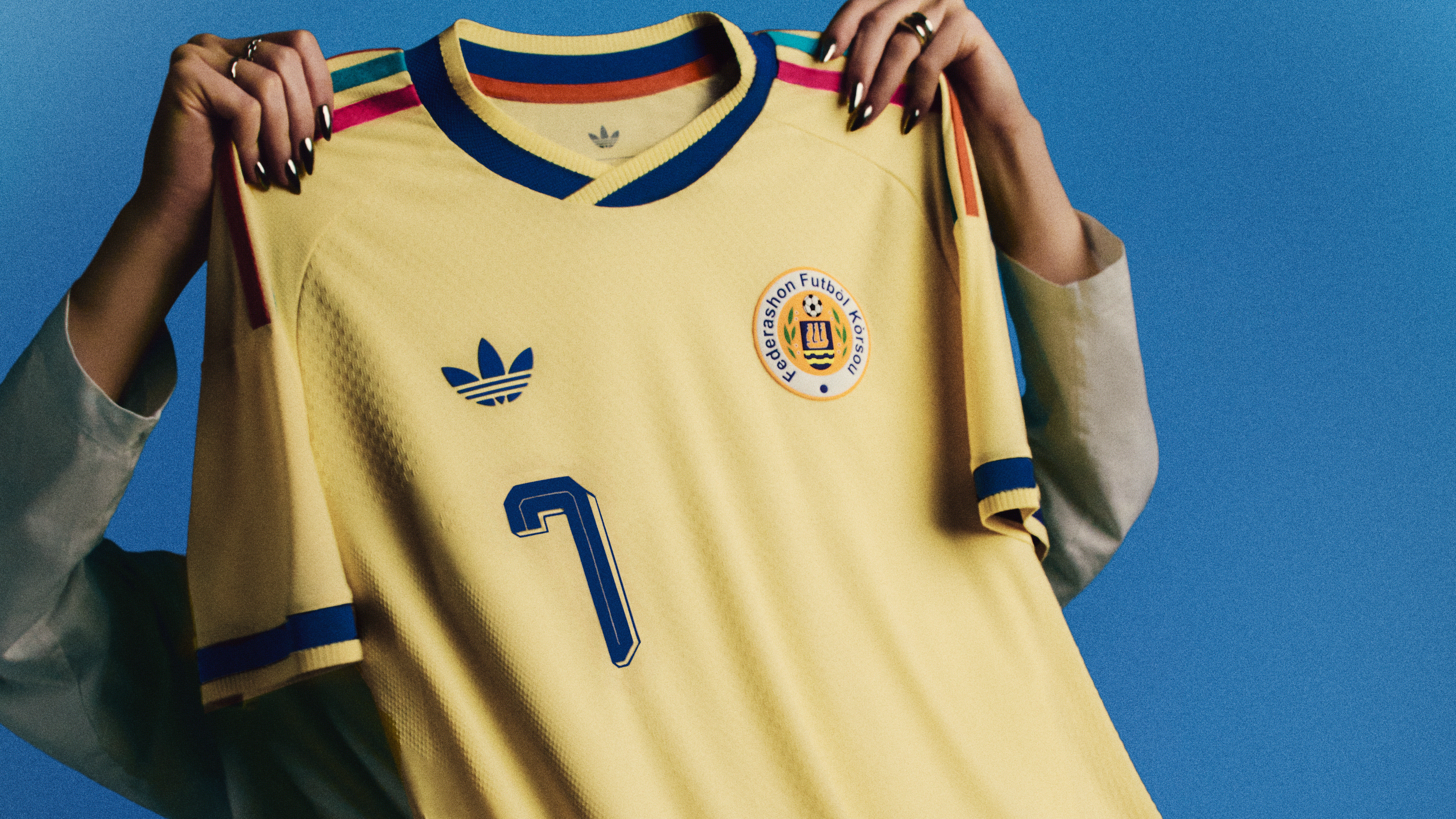
While I do think 48 teams is way too much for a World Cup, it does mean we’ll get to see teams on the world stage for the first time, which means new discoveries from players to fan rituals. I think back to how Jamaica in 1998 and Senegal in 2002 captured the world’s attention through their play, style and fan culture. Teams like Cape Verde or Curaçao could be those teams in 26. I’ve already got a soft spot for Curaçao based on their amazing adidas away kit alone.
Ronaldo vs Messi legacy
Two of the greatest players of all time, Cristiano Ronaldo and Lionel Messi are very likely playing in their last World Cup unless there’s some sort of Tom Brady longevity thing about to happen. From rivals to now respected friends appearing in ad campaigns together, both will grace the world stage for a record sixth time as the biggest names in the sport, even if they’re not gracing the best leagues in the world anymore. It will likely be another chance for the adidas vs Nike chat to flood the feed and both brands will be celebrating their final game at this tournament.
The next wave ready to make their mark
With Messi and Ronaldo expected to play in their last World Cup, it’s time for the next wave to take over. Stars expected to shine include Lamine Yamai, Kenan Yıldız, Désiré Doué, Gilberto Mora and Ibrahim Mbaye, but there’s always a player or two that comes from nowhere to let the world know their time is now.
USA and Canada’s football evolution
Mexico has had a rich football culture for a long time, their credentials are not in doubt. For the USA and Canada the tournament is a chance for both nations to show the world how their respective football cultures are evolving. The USA has come a long way since that infamous Diana Ross penalty miss when hosting the 1994 World Cup. The MLS hadn’t started then but now has 30 teams and a growing infrastructure beneath it, where teams from Inter Miami to Portland Hearts of Pine are creating their own supporter culture. Canada’s national team success is helping turn it from a niche sport to one growing in popularity as fans get behind the local teams in the developing Premier League.
Final Thought
What happens on the pitch at the World Cup creates the over-arching storylines and naturally impacts the mood and investment in your team or teams depending on their progression. They’re are also about so much more beyond the pitch.
From the celebration of different fan cultures around the world, to how the tournament’s are experienced across the respective nations at home, on the go, in social third spaces and beyond. The outlets and people that provide the daily updates and the places that facilitate the fan conversation. It’s these micro-moments and coming together that makes a World Cup special and always the biggest opportunity for brands, official sponsor or not. As the tournament takes shape, we’ll get to see which brands are just jumping into the World Cup because it’s where the attention is, or are involved to facilitate, enable and contribute to how fan’s experience the tournament.