


Sport is one of the last monocultures in a fragmented world. It brings people together, in increasingly segregated and divided times.
Sport provides identity, belonging and community, in a society where people crave connection. It allows people to express themselves in ways other areas of life don’t allow them to.
Sport provides those “do you remember when” moments that only the power of sport can provide.
When you get to experience it live, all those emotions, feelings and connection are amplified.
But is attending live sport now becoming a luxury product? Is attending live sport now dividing the haves and have nots?

The monetisation of fandom
The current World Cup in North America is the biggest ever with 48 teams across 3 countries. It has also been FIFA’s biggest money grab ever with average ticket prices seven times higher than the 2022 World Cup in Qatar.
A fan attending every match from the group stage through to the final faces costs of at least $6,900, that will be a lot more if they can’t get them via official supporter channels.
FIFA have tried to justify this because of the American market and have offered 130,000 tickets for matches across the tournament at $60 each. That’s less than 2% of the 7 million total number of tickets available.
In the Premier League, football fans have become accustomed to their clubs putting up season ticket and match day prices every season. Only three clubs have frozen prices for next season and for those that haven’t, increases range from above-inflation rises of around the 3-5% mark, all the way up to 15-20% depending on the club and seat.
In the NFL, the cost of a family of four going to an NFL game, including the cost of tickets, parking, and refreshments would cost around $1,340 on average. For fans of the Philadelphia Eagles it would cost over $2,000.
In the NBA, The Oklahoma City Thunder recorded the biggest year-over-year increase in ticket prices at +92.67% after they won their first NBA Championship.
Capacity attendances don’t tell the true story
The cost to attend continues to increase in one direction, but we are not yet seeing an impact on numbers through the door that is going in the other direction.
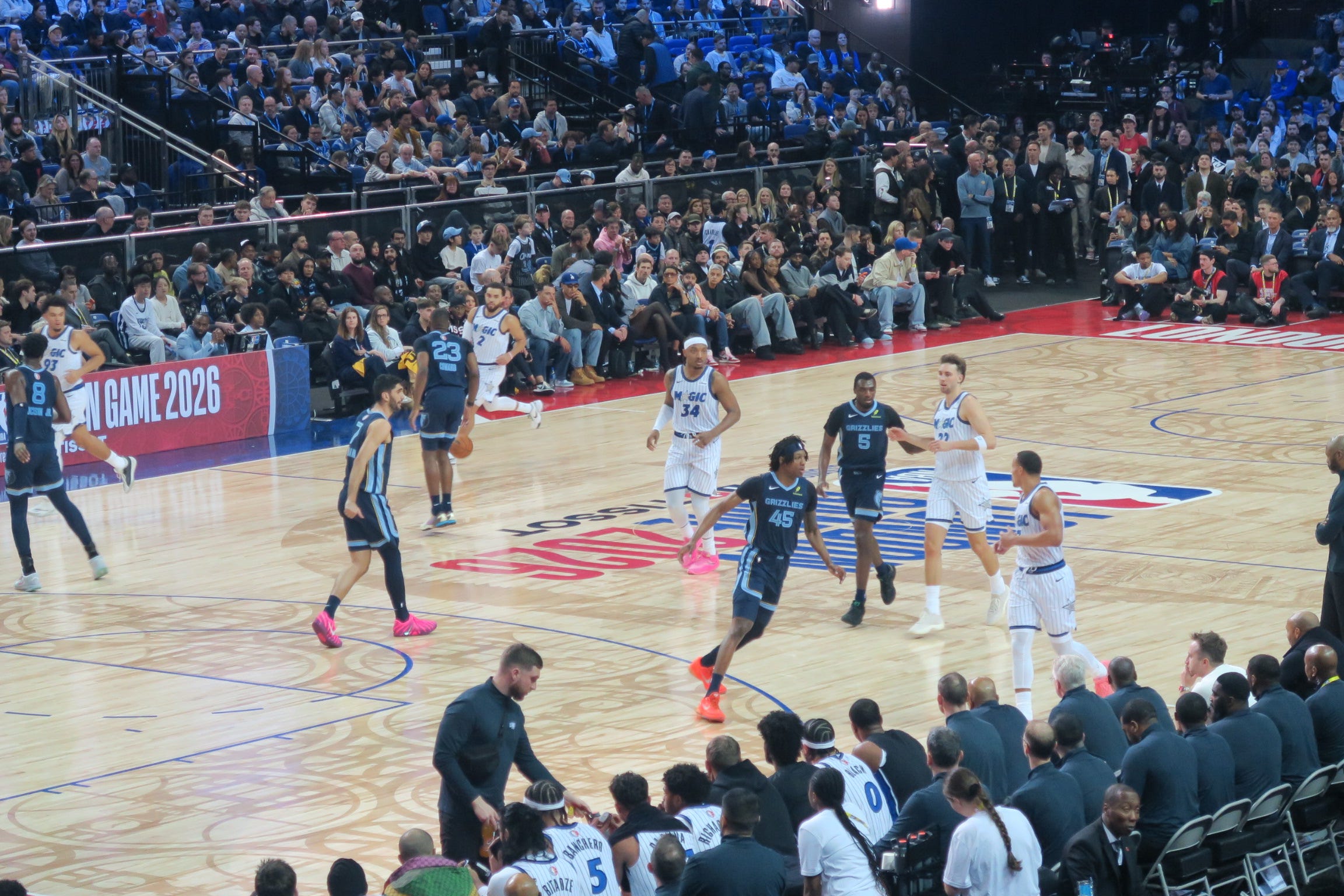
The NFL, NBA and EPL all recorded around a 97% capacity average for the most recent seasons. So there can’t be an issue right? The demand is obviously there and even at the World Cup, predictions of empty seats seen en masse haven’t happened.
While that demand is there and met, no one in charge will admit a problem. We can’t let those numbers fool us though. These ever-increasing prices do have an impact on fan attendance, sentiment and loyalty. They also impact who is taking the seat, often pricing out long-standing fans to be replaced by those who are wealthier or more casual in support and attendance.
Fans are expressing their discontent and having their limits pushed
Affordability was cited as the number one concern among every age group of football fans, with 67% of fans and 53% of professionals saying that attending live sport could become a luxury in the next five years.
Fans aren’t just assessing ticket prices when making decisions, it’s everything else around the experience from travel, food and merchandise. Areas that have all seen their own increases.
We are also testing the limits of what fans will do to still attend games. During the World Cup, those once in a lifetime or bucket list moments mean fans will go to all sorts of lengths to afford tickets. Selling houses and spending more on tickets than they earn in a month.
Loyalty forgotten
Decades of supporter culture is being forgotten as clubs look away from the length of time someone has supported a club and attended, to how much someone is willing to pay in that seat. It’s all about maximising every seat’s revenue potential.
Tottenham decided to phase out a 50% discount for supporters over 65 last season. Manchester United have moved families with season tickets for generations to make way for more hospitality seating.
Fans are still going through the turnstiles for now, but when does enough become enough? We might not have reached that point yet where it’s impacting the numbers, but it is having an effect on who gets to attend.
Exclusivity over inclusivity
Football, basketball and American Football are three sports with working class roots, but those sports are becoming more exclusive to attend, than inclusive. Of more than 50 people who spoke to Reuters at several stadiums during the group phase of the World Cup, around 30 were in higher-paying jobs with sales, finance and real estate featuring heavily. Four others were business owners, three were engineers and two were doctors. These once every four year tournaments can mean people are willing to spend more, but the makeup of the crowds attending sport on a weekly basis is following similar patterns.
There is now no reward for loyalty nor acknowledgment that the fans who create the atmosphere are part of the experience that is being sold by clubs and leagues. And most of these leagues mentioned all have issues with the atmosphere not being like it used to.
Damaging future fandom
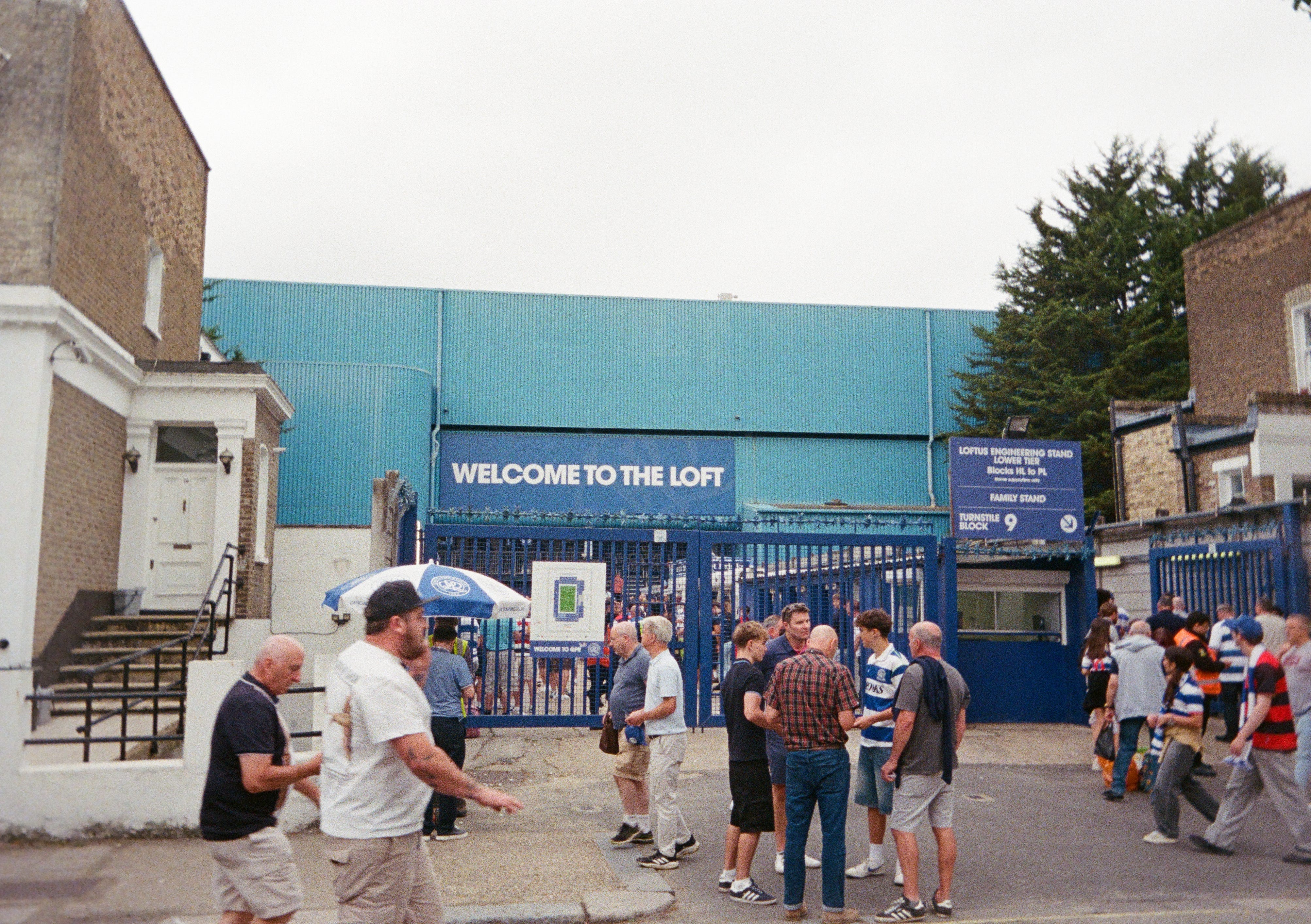
My early memories of sport come from watching it live. I grew up crawling on the terraces of QPR and that early habit formed an affinity and built an emotional connection to the club. Tickets were affordable for the four of us in my family and my fandom deepened. I do worry that even at a Championship club, it’s becoming an expensive day out for a family and something that has to be weighed up with other options and can’t always be a regular habit.
In the EPL, the average season ticket holder is around 40 and clubs just aren’t doing enough to attract a younger generation to attend. Loads of young fans will speak of supporting Arsenal, Manchester United, Real Madrid, PSG etc. and attracting them isn’t hard, but none of those clubs are making it easy for them to attend. Future fandom is built and deepened through participation, access, socialisation and heritage yet clubs and rights holders wonder how to be relevant to gen-z and alpha. The easiest win is to eliminate the very thing they do that is blocking them.
High prices are a choice
Clubs across the World’s top sports leagues are making more money than ever, with some of the biggest broadcast deals ever recently signed so money made from tickets is becoming a smaller portion of revenue. The old saying of the fans paying the players wages hasn’t been true for years. So clubs can easily offer affordable tickets all round and still make bank with all the TV revenue.
They do it because they can. Sell outs and attendance rates will indicate nothing is wrong but while you can measure the tangibles in revenue and capacity, the intangibles that are hard to measure are what you can’t put a price on and that’s the atmosphere, loyalty and connection to longstanding fans and the community.
Over the last decade the change from sports clubs and local pride to big business and global brands has further accelerated, which feels very similar to the gentrification of our cities. The displacement of one set of people deeply rooted to a place or in this case club, being uprooted for a more middle class and affluent demographic.
Attending live sport should be accessible to everyone and no matter what you earn or your background, a sports stadium should be a representation of society. Unfortunately when attending becomes less habitual and more like a one off big purchase, it changes how fans feel about their clubs. The emotional connections become weaker. Future fans are ignored.
The attendance figures might not show it yet, but the discontent is there and the ripple effect of fans losing that connection is real and happening. It might not happen next season or the one after, but there will be a limit to how much fans can pay. If live attendance becomes even more of a luxury than a choice, sport will become all the more poorer for it.